| Title | The Devil in the White City: Murder, Magic, and Madness at the Fair that Changed America |
|---|---|
| Author | Erik Larson |
| Publisher | Vintage Books (Division of Random House) |
| Publication Date | 2003 |
| Genre | True Crime; Biography |
You know, when it comes to literary obsessions, I’ve always had a penchant for the spine-tingling allure of true crime. There’s just something about diving into the minds of both perpetrators and investigators that intrigues me beyond words. And then there’s the Gilded Age, a period that’s like a magnetic portal to a world of opulence and stark contrasts. So, when I stumbled upon “The Devil in the White City: Murder, Magic, and Madness at the Fair that Changed America” by none other than my favorite author, Erik Larson, it was like the universe conspired to merge my two passions in one riveting narrative. And here I am, ready to peel back the layers of this book and share my thoughts with you, fueled by my unwavering curiosity about true crime’s dark corners, my fascination with the Gilded Age’s contradictions, and my admiration for the master storyteller himself.
‘The Devil in the White City’ grips you with its spine-chilling narrative that weaves together the eerie chronicle of Dr. H. H. Holmes, a notorious serial killer who left his mark on American history, and the enchanting backdrop of the 1893 World’s Fair held in the heart of Chicago.
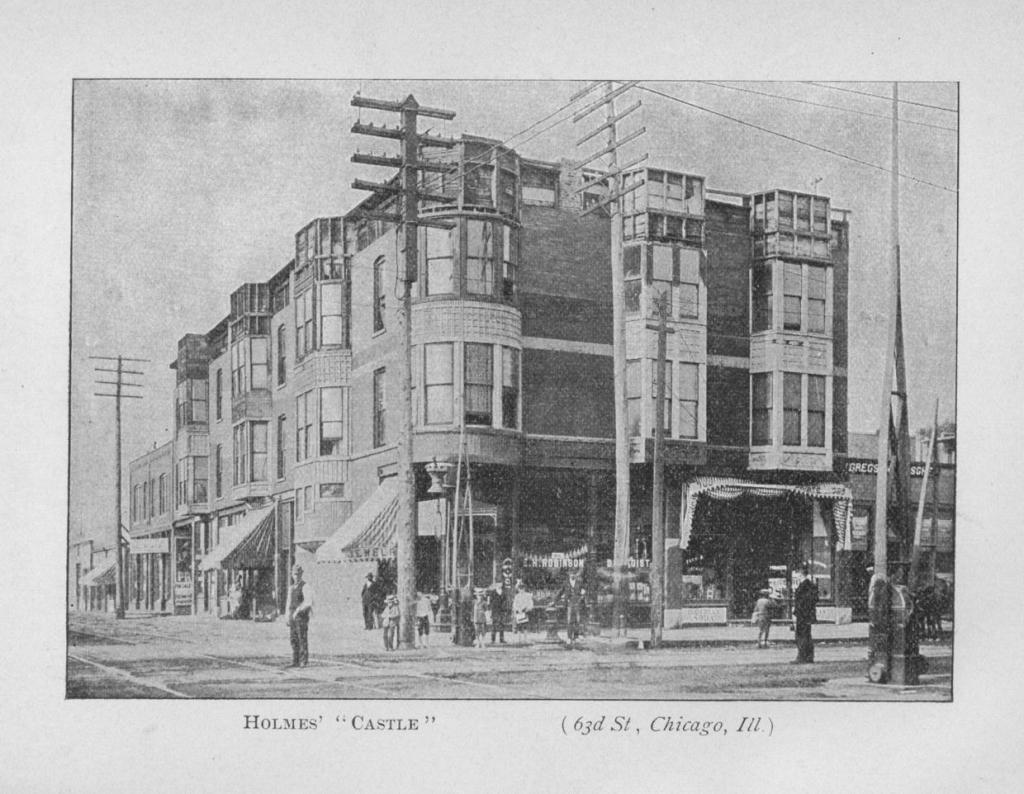
Erik Larson, the author, skillfully immerses us in these dual tales, skillfully capturing the twisted psyche of Dr. Holmes, who cunningly ensnared unsuspecting souls within his gruesome “Murder Castle.” Amidst the unfolding marvels of the fair, where innovation and cultural splendors take center stage, Holmes capitalizes on the festivities to mask his despicable acts.
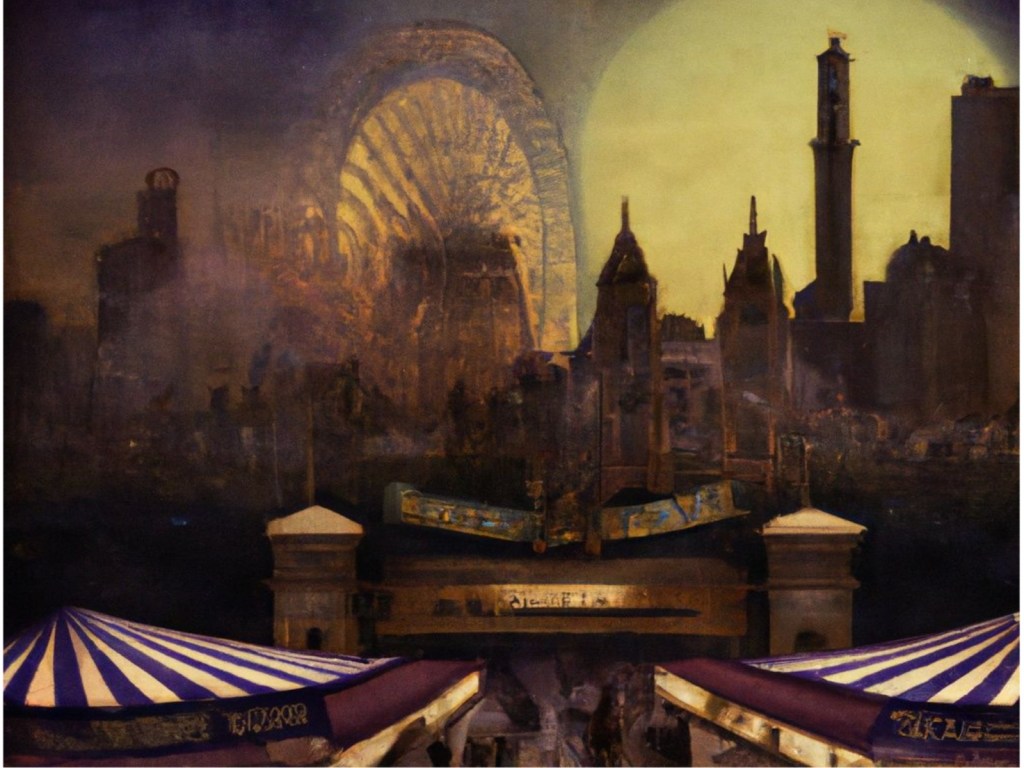
Through Larson’s impeccable research and vivid narrative, he transports us to a time of stark contradictions – the splendor of the White City, aglow with architectural masterpieces, set against the backdrop of a malevolent serial killer lurking in its shadows.
‘The Devil in the White City’ stands as a mesmerizing true-crime saga. It ventures beyond the abyss of human darkness, simultaneously shedding light on the triumphs and aspirations of an era defined by progress and creativity. This riveting read both horrifies and captivates, prompting contemplation of the obscured depths beneath society’s veneer.
Delving into my personal review of the book, I found it to be a truly wonderful read. The structure of the narrative is captivating as it guides the reader chronologically through the book, all the while weaving together three distinct storylines: the journey of Daniel Burnham and his fellow architects, the sinister narrative of Dr. Holmes and his victims, and the broader reflection on American society as a whole.
Larson skillfully delves into the contrast between creation and destruction, as seen through the lens of immensely ambitious men. Light finds its way even to those with sinister intentions, while darkness can cast its shadow on the virtuous. Burnham’s journey was fraught with trials and challenges as he strove to achieve the monumental architectural feat of the era. In the case of H.H. Holmes, he openly acknowledges his connection to darkness, yet society often extends kindness and doubt towards him.
Beyond Burnham and Holmes, Larson ensures that the broader impact on American society is illuminated. Many more lives were influenced by the decisions of these two individuals, and the book underscores how these ripples shaped the fabric of society. In terms of the book’s audience, I’d venture to say it’s suitable for high school students and beyond. Personally, I’d rate it a solid 9 out of 10.
And there you have it—a concise overview of my thoughts on “The Devil in the White City.” But hold tight, because this is just the beginning. In the upcoming Part 2, we’re going to roll up our sleeves and dig even deeper into the fascinating layers that make up this captivating narrative. We’ll be peering into Burnham’s unyielding determination, delving into Holmes’ chilling malevolence, and uncovering the seismic shifts that transformed society during that time. So, stay tuned for the next installment where we’ll dive into the critical analysis that promises to add a new dimension to our understanding of this enthralling book.
 Reframing History